Turin real estate market and the Chinese community: trends and opportunities
by Marco Balistreri · · updated on · 4-minute read
Introduction: why discuss the Turin real estate market and the Chinese community
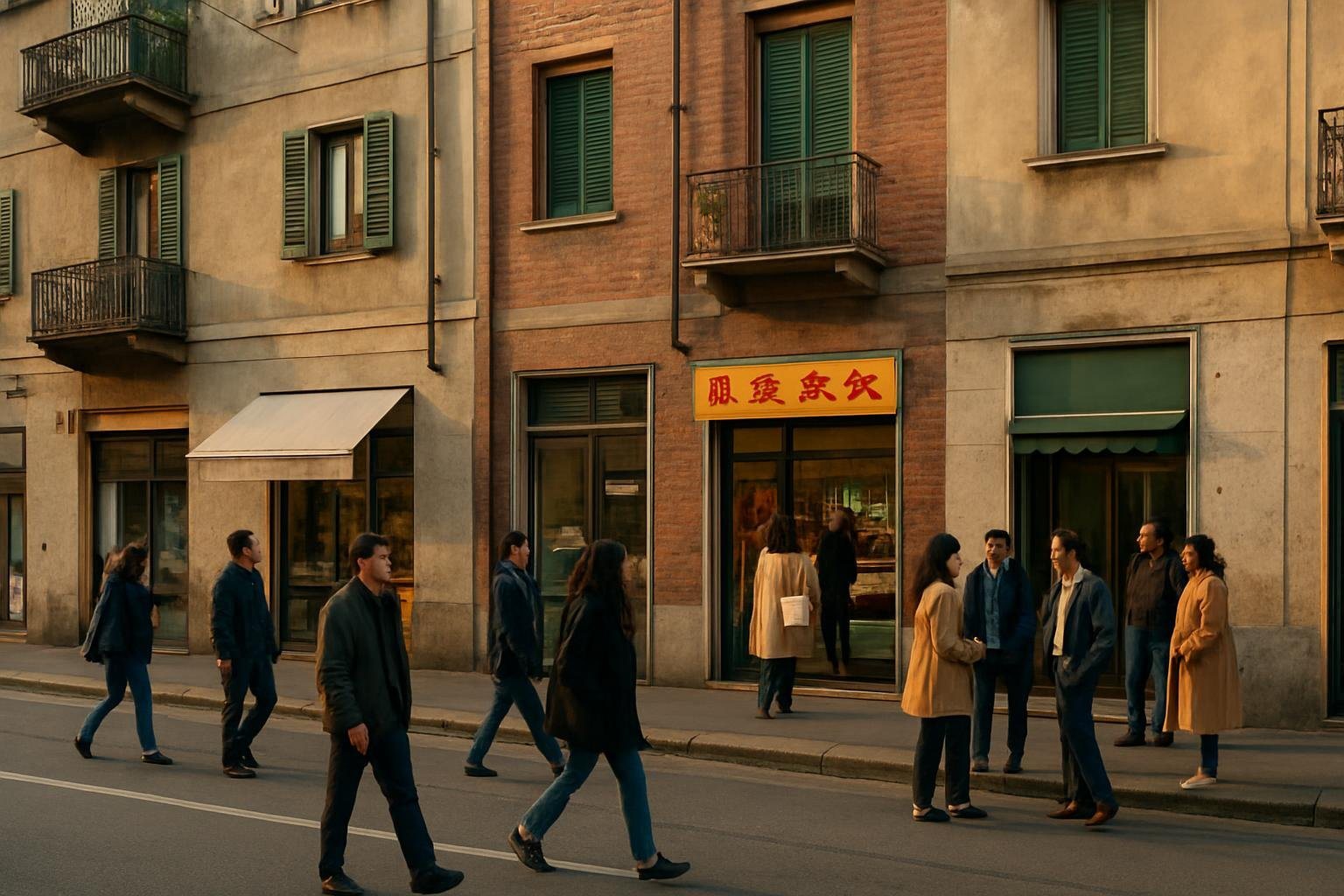
The presence of the Chinese community in Turin has a tangible impact on the city’s real estate market. Buyers, sellers and landlords encounter specific opportunities and challenges when dealing with Chinese-origin buyers, tenants or investors: preferred areas, housing needs, timing and payment methods may differ from the local demand. This article explains trends, key areas and practical advice to navigate effectively.
Demand characteristics: what the Chinese community looks for in Turin
Generally, the Chinese community in the city tends to seek properties that meet two main needs: functionality for mixed use (residence + business) and proximity to commercial services and connections. Preferred housing units often include studios, one-bedroom apartments and flexible spaces that allow hosting relatives or adapting a room for a home or artisan activity. Another feature is the focus on closeness to shopping streets and markets where economic and social activities take place.
Where in Turin: areas with the highest presence and opportunities
Some central and semi-central districts are more attractive to the Chinese community due to proximity to services, transport and other commercial activities. Areas with good public transport access, stations and shopping streets can offer stable demand for both purchase and rent. In some cases, demand also extends to the urban belt and neighbouring municipalities, where the price/quality ratio is more favourable. For those observing the belt market, it may be useful to compare opportunities in Collegno or Grugliasco to assess valid and more affordable alternatives. For more about the context in neighbouring municipalities, also see The real estate market in Collegno e Grugliasco Real Estate Market.
Property types and typical usage
The Chinese community tends to favour:
- properties with multifunctional spaces adaptable for family and work use;
- ground floors or direct street access for commercial activities;
- apartments in buildings with multiple units where cohabitation and neighbourhood networks encourage exchanges and safety;
- properties with low condominium fees and good energy performance, which limit management costs.
Buying and renting methods: what to know
Purchase methods may vary: some buyers prefer quick transactions and cash payments or pre-approved financing, while others look for long-term solutions and are interested in investments generating rental income. Regarding rentals, flexible contracts are often preferred, ideally with agreed rents and subletting options for families hosting temporary relatives.
Practical advice for those selling or renting to clients from the Chinese community
- Adapt your communication: clear texts, detailed photos of rooms and floor plans help overcome language and cultural barriers. Consider translating key information into Chinese if you have several potential clients from that background.
- Assess property use: clarify from the outset if the property is suitable for mixed home/shop use and which permits are required. Many buyers appreciate clarity on planning and local regulations.
- Flexibility in conditions: offer viewing and negotiation options that take different timeframes into account; for example, availability for evening visits or more structured payment details.
- Complete documentation: providing land registry documents, energy certificates and condominium fee sheets reduces mistrust and speeds up negotiations.
- Network of professionals: involve a consultant familiar with cultural specifics or, if necessary, a language mediator to build trust.
Risks and aspects to monitor
As in any market segment, attention must be paid to unauthorised overlapping uses (e.g. commercial activities in unsuitable properties) and possible price pressures in highly sought-after districts. It is important to verify the legality of previous property activities and urban compliance before finalising any agreement.
Conclusion: how to navigate the Turin real estate market with the Chinese community
The presence of the Chinese community in Turin creates interesting demand niches for sellers or investors: preferences for functional properties, proximity to services and possibilities for mixed-use are recurring factors. To benefit, it is essential to provide clear information, flexibility and knowledge of local regulations. Looking beyond the city boundaries, towards the belt and neighbouring municipalities, can also open up more affordable and less competitive opportunities.
Practical advice: before placing a property on the market or negotiating with buyers of Chinese origin, prepare a complete property sheet, consider the possibility of flexible viewing times and ensure that the intended use complies with municipal regulations. If you are seeking alternatives in the Turin belt, also consider the dynamics of Collegno and Grugliasco to compare prices and potential.
If you want an opinion on the valuation of your property or advice on how to position it on the market to attract the Chinese community, contact us: we can offer you practical and targeted analysis.
Also read
Do you have questions about this topic or your property?
Talk to us