Stoves and fireplaces: when fines apply and what to check in Turin
by Marco Balistreri · · 5 minute read
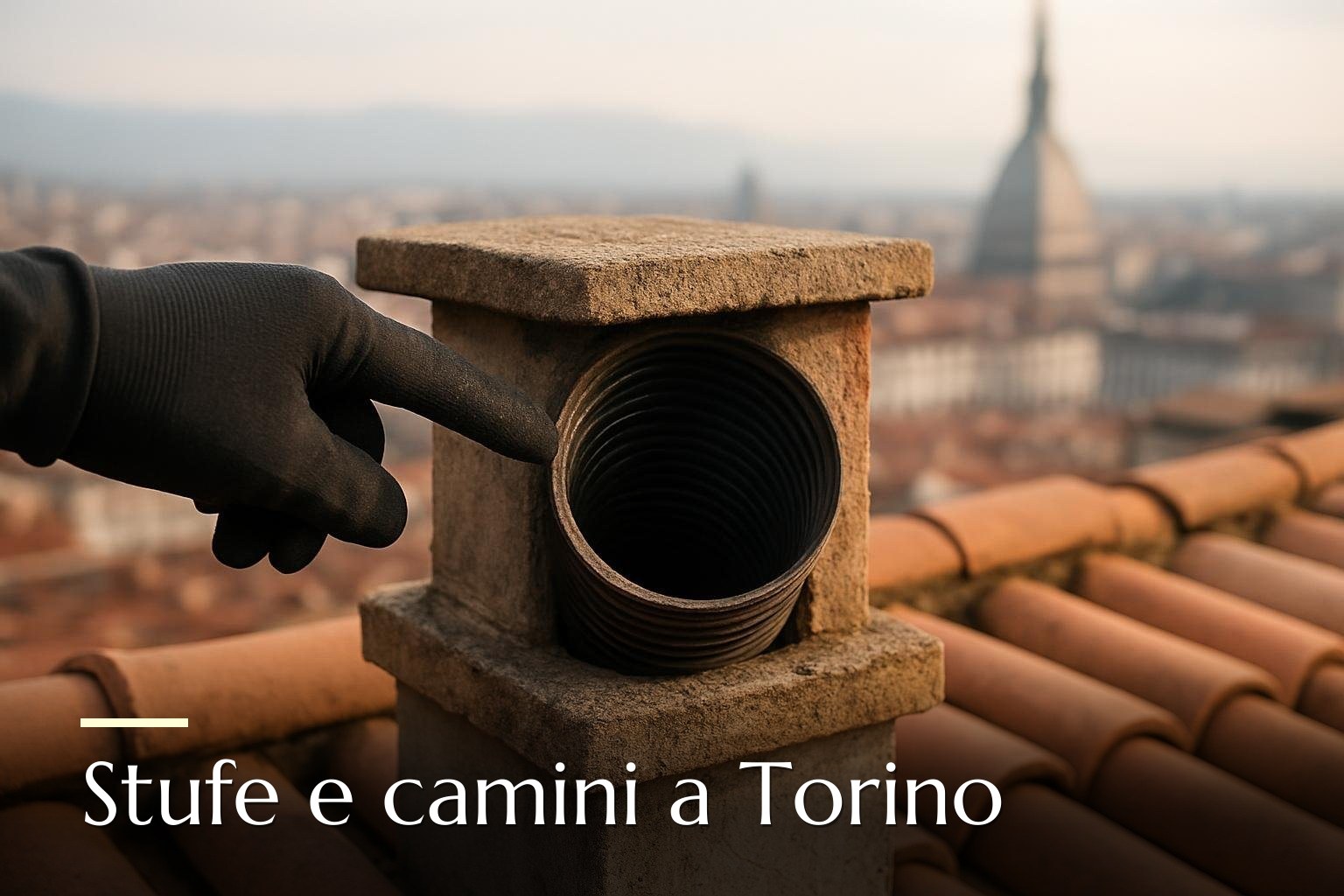
In Turin, having stoves and fireplaces in a property can be an added value but also a source of issues: from usage restrictions in low emission zones to administrative fines for prohibited fuels or lack of maintenance. Buyers, sellers, or renters need to know what checks to make immediately to avoid fines, condominium disputes, or unexpected expenses.
In brief
- Verify the system’s compliance and presence of certificates or installer declarations.
- Check the allowed fuel type: wood, pellet, biomass or gas may have limits in low emission areas.
- Ascertain the condition of the chimney, flue and cleaning (chimney sweep frequency) for safety and fire prevention responsibility.
- Check for any municipal or condominium prescriptions in Turin limiting usage in certain periods or zones.
Why stoves and fireplaces can incur fines in Turin
In Turin, as in many cities, the most common violations concern the use of unauthorised fuels in areas with regulated air quality levels, unauthorised alteration of shared chimneys, and lack of maintenance compromising safety. Local authorities may issue temporary or permanent ordinances limiting the use of biomass appliances during periods exceeding PM10 or PM2.5 limits; ignoring these provisions can result in administrative penalties.
Checks to do before buying or selling a property
When evaluating a property in Turin with a stove or fireplace, include these checks in your viewing checklist or in the documentation to request from the seller.
- Technical documentation: request the plant manual, any installation compliance certificates, and the installer's declaration of conformity. If the element is connected to the central heating system, check the millesimal tables and who is responsible for its operation.
- Chimney and connections: verify whether the chimney is exclusive to the apartment or shared by the condominium. Any modification to common chimneys requires authorisation and sometimes the condominium assembly's intervention; unauthorised actions may lead to fines or must be restored.
- Condition and maintenance: check for evidence of recent maintenance, cleaning and fire safety inspections. Lack of maintenance can pose safety risks and legal liability in case of damage.
- Type of fuel: ascertain the fuel intended for the system (wood, pellets, woodchips, gas). Some municipal regulations prohibit or limit wood or pellet use under certain weather conditions or in more central areas.
- Environmental and municipal checks: consult Turin City Council about local ordinances and environmental LTZs or zones with emission restrictions; some limitations are temporary (critical periods) others permanent for historic buildings or sensitive areas.
- System compliance and energy certifications: the presence of biomass stoves can affect the EPC (energy performance certificate) and property value; verify whether the system is included in the energy documentation.
When the seller or owner risks a fine
Fines mainly arise when the system is used or modified non-compliantly: for example installing a wood stove without certification, connecting it to a shared chimney without authorisation, or using prohibited fuels during restricted periods. Failure to notify and regularise building interventions involving the chimney may also result in administrative sanctions and compulsory upgrades.
Impact on sales and rentals in Turin
For buyers, a non-compliant system can lead to extra costs for upgrades or seasonal usage restrictions. Sellers should provide complete documentation and declare any constraints to avoid disputes at the sales deed. For rentals, the landlord must declare usage methods and inform tenants of any restrictions; in case of penalties, administrative responsibility may fall on the violator.
Regularisation and replacement interventions
If the system is non-compliant, options include regularisation through authorisations and certifications, modifying the chimney with condominium consent, or replacing it with lower-emission appliances (condensing boilers, heat pumps, certified pellet stoves). Evaluate costs, timing and available incentives for replacement or upgrade: sometimes renovation work qualifies for deductions or bonuses making interventions more affordable.
Practical tips for buyers, sellers and renters in Turin
- For the buyer: include a suspensive condition in the contract for verifying compliance and technical documents.
- For the seller: gather and provide manuals, certificates, and maintenance receipts; declaring any limitations avoids post-sale disputes.
- For the landlord: inform the tenant in writing about usage rules and chimney cleaning responsibilities; keep records of interventions.
- For all: request an inspection by a qualified technician (heating engineer or certified installer) for a preliminary risk and cost assessment.
Frequently asked questions
Can I install a wood stove in an apartment in Turin?
In many cases yes, but technical standards, condominium authorisations for shared chimneys, and municipal emission limits must be respected. Before installation, request a technical assessment and check municipal ordinances.
Who pays for chimney cleaning in a condominium?
If the chimney is exclusive to the apartment, the cost generally falls on the individual owner; if it is communal, costs may be divided by millesimal shares as established by the condominium regulations or assembly.
What happens if I use prohibited fuel during a restriction period?
There is a risk of administrative fines and, in case of inspections, the obligation to cease use immediately. Additionally, civil liability may arise if damage or disturbance to other residents occurs.
Does a pellet stove increase the value of the property?
An efficient and certified pellet stove can enhance comfort and perceived energy efficiency, but its impact on value depends on documentation, running costs, and local regulations; compliance of the system is essential to avoid price reductions.
In closing: before signing a preliminary agreement or lease contract in Turin, have a technician check the condition of the stove or chimney, gather all documentation, and check the current municipal ordinances. If you wish, we can help you prepare a checklist for the visit or contact professionals for an inspection: write to us for a no-obligation opinion.
Checklist for selling a home in Turin e Building compliance report they can be useful to complete the property's documentation.
Do you have questions about this topic or your property?
Talk to us