Properties in energy classes F and G: what changes for buyers and sellers in Turin
by Marco Balistreri · · updated on · 4-minute read
Why F and G energy class houses matter now in the market
In many areas of Italy—and also in Turin—a significant share of homes sold are in lower energy classes: these houses in energy classes F and G are still numerous. At the same time, there is a reduction in completed Ecobonus applications compared to previous years. For buyers or sellers, this mix creates opportunities but also risks: it affects the asking price, negotiation length, and the list of interventions that future owners should consider.
How the drop in Ecobonus applications affects property values
Less reliance on incentives means many owners postpone or don’t complete refurbishment work. This results in two main market effects:
- Lower listing prices or greater gaps between advertised and real value: homes with high consumption are often priced below efficient properties or require heavier discounts during offers.
- Lower appeal among cost-conscious buyers: families, remote workers, and buyers sensitive to running costs prefer homes with low energy expenses; an F or G rating may deter them or lead to price reduction requests.
A concrete indicator for guidance
National data shows a significant share of sales of energy-inefficient properties and, simultaneously, a reduction in incentive applications. Although these figures cover different areas, the message is clear: market value is influenced not only by the current state of the property but by how easily it can be improved.
What changes in negotiations in Turin
In the context of Turin, where the historical heritage is significant and many properties have outdated systems, negotiations move on several fronts:
- Requests for energy diagnosis and transparencybuyers ask for certifications, bills, and an estimate of upgrade costs.
- Counterparts and conditional depositsit is increasingly common to include clauses that account for energy issues found after the viewing.
- Division of responsibilitiesfor apartments in condominiums, it is negotiated who carries out and pays for interventions on common systems (e.g. central boiler, facade insulation).
Practical interventions to consider before buying or selling
If you are selling: fixing even small elements of energy efficiency can improve perception and final price. If you are buying: calculate the total cost of any works and the timeframe to recover the value through energy savings.
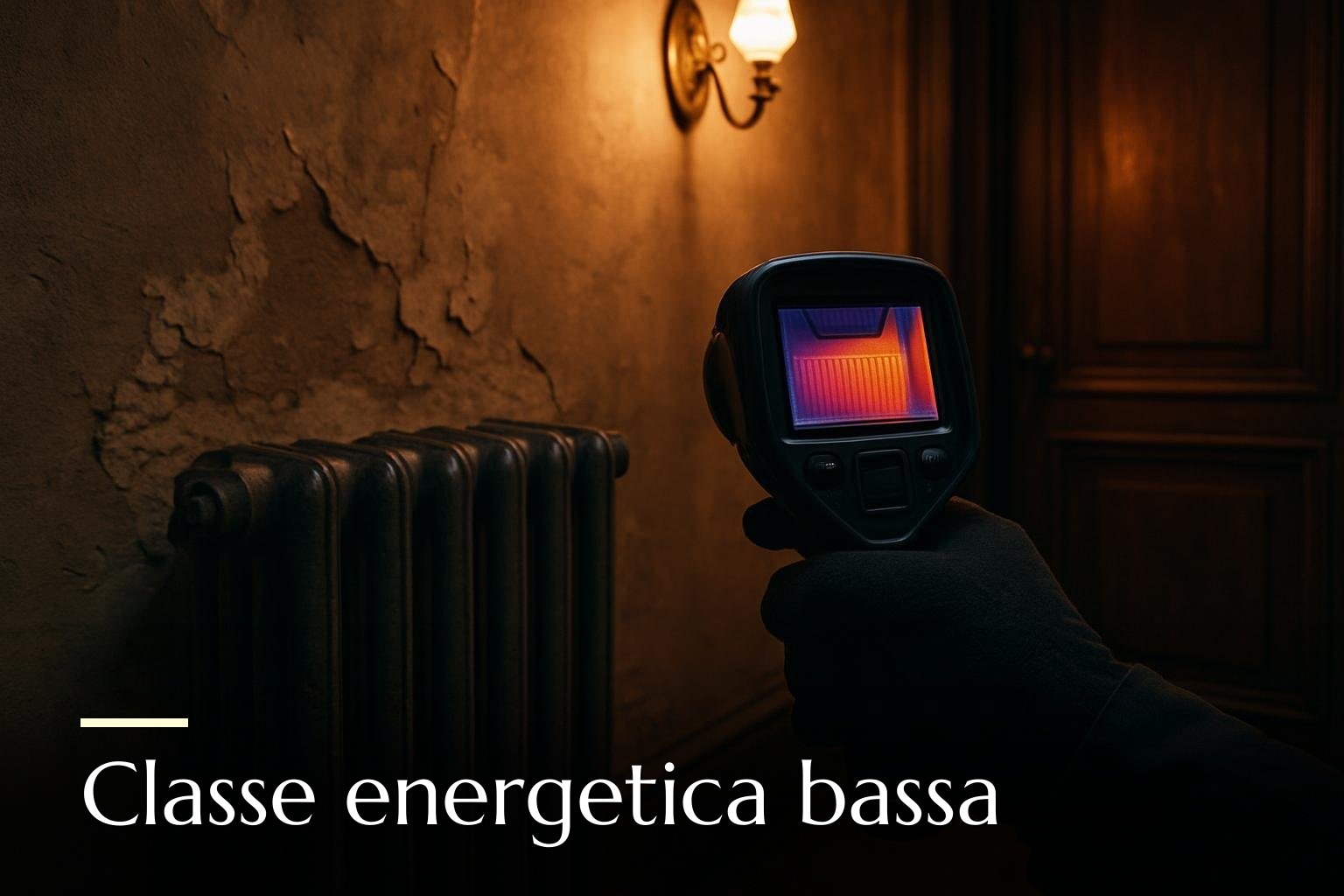
- Energy audit and certificationa precise diagnosis helps establish priorities and avoid surprises during appraisal.
- Low-cost, high-impact interventionsreplacing an obsolete boiler, improving radiator regulation, or working on windows often provides a quick return in comfort and bills.
- Planning larger worksroof insulation, external wall insulation or system replacement require technical evaluation and quotes, especially in typical historic Turin buildings where restrictions and common areas complicate things.
- Check incentive opportunitiesalthough Ecobonus procedures have temporarily declined, there may be regional, municipal or other financing channels that make the intervention worthwhile.
Strategies for sellers and buyers in Turin
Sellers: present the home transparently, with up-to-date energy documentation and an estimate of upgrade costs. Often a small pre-sale expense (audit + targeted intervention) results in less time on the market and better offers.
Buyers: include not only the purchase price but also the costs to make the property livable and sustainable in your budget. Request bills from recent years and, when possible, a technical estimate of priority interventions.
When it’s worth investing in refurbishment
If the property lends itself to upgrades that increase its energy class (e.g. from G to D or C) and the cost/value ratio is favourable, renovation is often worthwhile. Otherwise, for properties with historical restrictions or particularly high condominium fees for common works, it may be preferable to negotiate the purchase price and postpone structural works until project and financial decisions are certain.
To navigate this, you can compare quotes, request an energy audit and speak with professionals familiar with local regulations and common solutions in Turin. Even choosing the right real estate agent can make a difference in positioning the property: how to choose the most competent real estate agent e why a smaller offering affects the city market These are useful readings for further insight.
Practical advice
- Before putting your property on the market, conduct an audit and consider targeted minor improvements.
- Buyers should include an item in their budget for immediate or planned renovation.
- Negotiating with data: bills, Energy Performance Certificates and quotes make the deal quicker and more transparent.
- Assess the technical feasibility in historic buildings and the time required to obtain condominium or municipal permits.
If you want a practical opinion on your home in Turin — current value estimate, advice on priority interventions, or help preparing sales documentation — contact us: we can offer you a practical and context-specific valuation.
Also read
Do you have questions about this topic or your property?
Talk to us