Suburbs near Turin: where it pays to look for a home and why consider the city outskirts
by Marco Balistreri · · updated on · 5 minute read
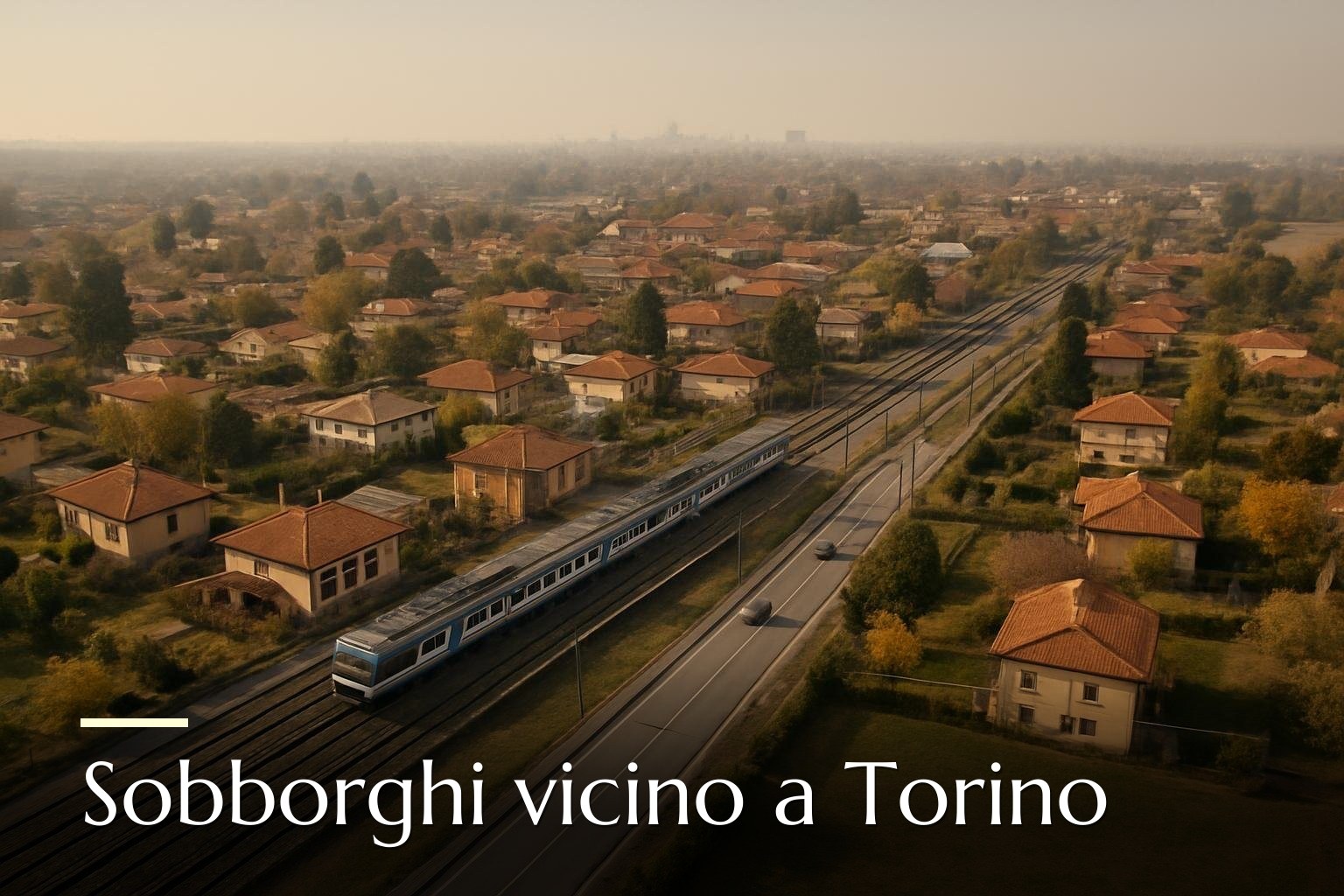
In Turin and the metropolitan area, suburbs can be a smart choice for those looking to save on price per square metre without giving up amenities: suburbs often combine quick links to the city centre, green spaces and a close-knit community, but require attention to transport, services and development prospects.
In brief
- Suburbs are settlements on the city’s edge that maintain their own identity but depend on connections with the centre.
- In Turin, municipalities like Moncalieri or other locations in the hinterland often offer lower prices and good accessibility; evaluating train and tram stops is crucial.
- Advantages: lower price, larger spaces, quality of life; challenges: limited local services, travel times, potentially lower market liquidity.
- For first-time buyers or investors, reviewing infrastructure projects and municipal planning helps forecast appreciation.
What a suburb is and why it matters for home seekers
A suburb means a settlement on the city edge or nearby that keeps its own identity but functions in relation to the centre: in Turin this relationship is measured by the presence of rail lines, trams, ring roads or main roads enabling daily travel. For buyers or tenants, understanding if a place is a suburb means assessing not just purchase price but quality of connections, local services and development potential.
Where it’s worth looking: practical criteria for choosing the right suburb
When considering suburbs near Turin, start from practical criteria: commuting time to work or school, public transport frequency and quality, presence of essential services (schools, supermarkets, health centres), price per square metre and market demand. A good suburb for commuters has a station or tram/trolleybus stop with short journey times and regular frequencies throughout the day.
Concrete benefits of suburbs on the city edge
Suburbs often offer lower prices than central Turin and solutions with larger sizes or private gardens. For families, local schools and green spaces are common; for rental yield seekers, some areas attract tenants willing to travel for a lower rent. Moreover, suburbs with urban regeneration projects or new rail stops tend to appreciate medium-term.
Challenges and risks not to underestimate
Main challenges concern limited specialized services (large hospitals, universities, theatres), reliance on private transport where public transit is insufficient, and sometimes less liquid real estate demand: selling may take longer than for well-connected city apartments. It’s important to check administrative and planning requirements of the municipality: restrictions, charges and completion plans that may affect renovation costs and timing.
How to assess appreciation potential
To estimate if a suburb will gain value in the future, review planned infrastructure (new rail or tram lines, road expansion), public investment in services and regeneration plans. In Turin, projects to redevelop public areas or open new transport hubs can transform a peripheral suburb into a sought-after area. Consulting the municipal master plan and regional programming helps avoid surprises.
Types of suburbs around Turin: examples and advice
Around Turin you will find different types of suburbs: some are historic centres with autonomous town centres and established services; others are residential outskirts born from post-industrial expansion; others are dormitory towns grown around railway stations. Priorities vary by type: historic centres are judged on livability and services; newer suburbs on construction quality and common area management.
Practical tips for buying or renting
- Measure actual travel times: try the route during peak hours before deciding.
- Check local services availability and presence of schools and healthcare facilities within easy reach.
- Verify municipal planning and infrastructure projects that may affect value.
- If buying for investment, assess rental demand in the area and ease of resale.
- Consider hidden costs: garden maintenance, heating expenses in detached houses, and travel times by car.
Useful links for further reading
For those wishing to explore the topic of choosing locations and services that influence quality of life, our article on Third places and home choice and the opportunities for regeneration of public properties near Turin.
Also read
Frequently asked questions
What is the difference between a suburb and the outskirts?
A suburb is a settlement on the city edge with its own identity but functionally connected to the centre; the outskirts refer to the outermost parts of the city, which may include industrial areas or services and do not always have an independent centre.
Is it worthwhile to buy in a suburb if I work in the city centre?
Yes, but only if connections are efficient: consider the availability of trains, trams or fast lanes; saving on property price can be advantageous, provided that travel times do not undermine quality of life.
How much does the presence of a train station affect value?
A well-connected station significantly increases the attractiveness and liquidity of the real estate market: it reduces travel times and broadens the pool of potential buyers and tenants.
How to tell if a suburb has potential for value appreciation?
Check planned public and private investments, mobility plans, regeneration projects and indicators like new commercial openings or schools: these signs suggest that demand could grow in the medium term.
If you are considering a suburb near Turin, take time to visit the area at different times of day, talk to current residents and request up-to-date planning documents before making offers. For personalised advice on your search or a local area assessment, contact us and we will be happy to assist you with concrete, local information.
Do you have questions about this topic or your property?
Talk to us